

Sensory Barrels and Steamrollers: Proprioceptive Heavy-Work Equipment That Schools Rely On
Published April 16, 2025
If you’ve ever watched a child crawl into a barrel, roll across the floor, and emerge calmer and more focused than they went in, you’ve seen heavy work in action. Sensory barrels and steamrollers are among the most sought-after pieces of equipment in school sensory rooms — and for good reason. They deliver the kind of deep, organizing proprioceptive input that few other tools can match.
These aren’t novelty items. They’re workhorses. Occupational therapists across the country rely on barrels and steamrollers as foundational components of sensory circuits, obstacle courses, and individual therapy sessions. Schools that invest in quality heavy-work equipment often find it’s the most-used category in their entire sensory inventory.
Here’s everything you need to know about what these products do, how therapists use them, and what to consider when purchasing for a school setting.
What Are Sensory Barrels?
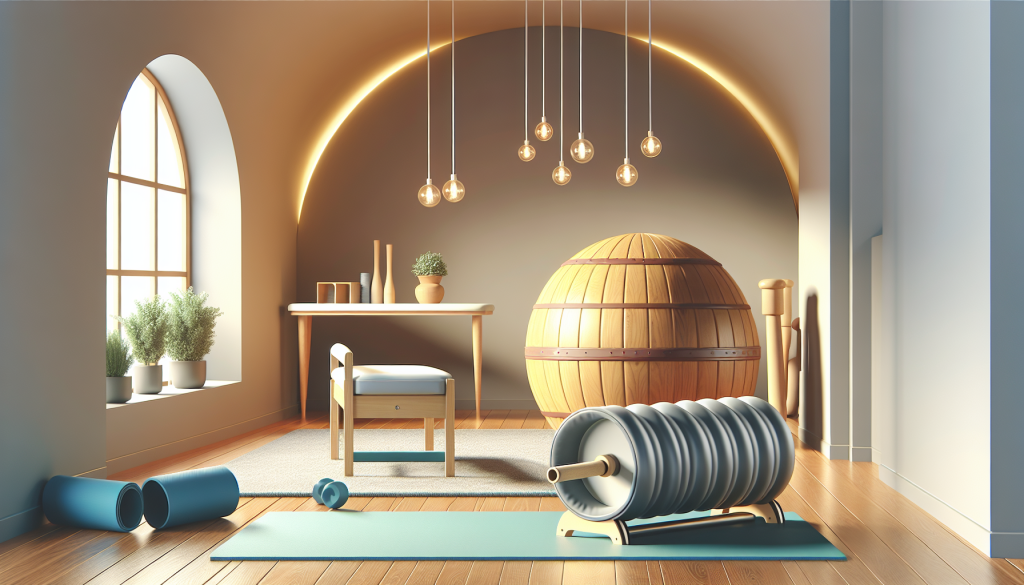
A sensory barrel is exactly what it sounds like: a large, open-ended barrel that students can crawl into, sit inside, push, pull, or roll in. Most are made from durable, high-density foam or padded materials and come in sizes that accommodate children from preschool through middle school.
What makes a barrel so effective is the combination of inputs it provides simultaneously:
- Proprioceptive input — Pushing, pulling, and crawling through a barrel requires significant effort against resistance. The muscles and joints are working hard, which sends organizing input to the brain.
- Vestibular input — Rolling in a barrel provides rotary and linear vestibular stimulation. The student’s head is changing position relative to gravity, which activates the vestibular system in ways that are both alerting and — when used therapeutically — ultimately calming.
- Deep pressure — When a student is inside the barrel, the walls provide circumferential pressure around the body. This is similar to the effect of a weighted blanket or compression vest — a calming input for students who are over-responsive to sensory stimuli.
- Motor planning — Navigating in and out of a barrel, rolling in a controlled direction, and using the barrel as part of an obstacle course all require planning and sequencing movements, which builds praxis skills.
The therapeutic versatility is remarkable. A single barrel can be used for calming activities (sitting inside with a blanket for a contained, low-stimulation space), alerting activities (rolling across the room), strengthening activities (pushing or pulling the barrel with a peer inside), and motor planning activities (navigating an obstacle course that includes the barrel as one station).
What Are Steamrollers?
A Sensory Steamroller — sometimes called a body roller or rolling pin — is a large, padded roller designed to provide deep pressure across the student’s body. The student lies on the floor (usually on a mat) while an adult or peer rolls the steamroller over them, applying firm, even pressure from shoulders to feet.
Steamrollers work primarily through deep pressure and proprioceptive input. The firm compression activates the proprioceptive system throughout the body, which has a powerful calming and organizing effect on the nervous system. Many therapists describe steamroller activities as one of the fastest ways to shift a student from a dysregulated to a regulated state.
Key uses include:
- Pre-task calming — Rolling a student with a steamroller before a challenging academic task helps prepare their nervous system for the demands of sitting, attending, and processing information.
- Transition support — A quick steamroller session between activities can help a student reset and prepare for the next demand.
- Sensory circuit stations — Steamrollers are commonly included as one station in a multi-step sensory circuit, providing deep pressure input between movement-based activities.
- Individual therapy — OTs use steamrollers in one-on-one sessions to address specific proprioceptive processing goals, tactile defensiveness, and body awareness.
The Steamroller is typically designed with handles on either end so the adult can control the speed and pressure, and the padding is firm enough to provide meaningful input without being uncomfortable. Some versions include textured surfaces for additional tactile input.
Why Heavy Work Is One of the Most Important Categories of Sensory Input
Occupational therapists consistently rank heavy work — activities that involve pushing, pulling, carrying, lifting, and sustained effort against resistance — as one of the most universally effective types of sensory input. Here’s why.
It’s Almost Always Calming
Unlike vestibular input (which can be alerting, calming, or disorienting depending on the type and intensity), proprioceptive input from heavy work is almost always calming and organizing. This makes it one of the safest categories of sensory input to use broadly — you’re unlikely to over-stimulate a student with heavy work in the way you might with spinning or rapid movement.
It Prepares the Brain for Learning
The proprioceptive system has direct connections to the parts of the brain responsible for attention, emotional regulation, and motor planning. When a student engages in heavy work, the resulting proprioceptive input helps organize the nervous system in ways that prepare it for the cognitive demands of academics. This is why OTs often recommend heavy work before challenging tasks — it’s not a break from learning, it’s preparation for learning.
It Builds Body Awareness
Students who struggle with proprioceptive processing often have poor body awareness — they may use too much or too little force, bump into things, or appear clumsy. Heavy work provides the intense proprioceptive input that helps the brain build a more accurate map of where the body is in space, which translates to improved motor control and coordination.
It Meets Sensory-Seeking Needs Appropriately
Many students who are sensory seekers — those whose nervous systems crave more input than the typical environment provides — naturally gravitate toward heavy work activities. They’re the students who crash into walls, jump off furniture, squeeze too hard during hugs, and chew on everything. Providing structured heavy work through equipment like barrels and steamrollers gives these students the input their nervous systems are craving through safe, productive channels.
How Therapists Use Barrels and Steamrollers
These aren’t set-it-and-forget-it pieces of equipment. Their value comes from how they’re integrated into therapeutic programming.
Sensory Circuits
A sensory circuit is a structured sequence of activities designed to provide a specific combination of sensory inputs. A typical circuit might include:
- Alerting activity — jumping on a trampoline or bouncing on a therapy ball
- Heavy work — pushing a Sensory Barrel across the room or crawling through it
- Deep pressure — lying under a Steamroller for full-body compression
- Calming activity — sitting in a swing or quiet space
This sequence moves the student through different arousal states in a controlled way, ending in a calm, organized state that’s ready for learning. Many schools run morning sensory circuits for students who need regulation support before the academic day begins.
Obstacle Courses
Barrels are natural components of obstacle courses, which therapists use to address motor planning, sequencing, following multi-step directions, and sensory processing simultaneously. A barrel might be positioned as a tunnel to crawl through, a container to climb in and out of, or an object to push from one end of the course to the other.
The beauty of obstacle courses is that they make heavy work feel like play. A student who might resist a structured “exercise” will enthusiastically push a barrel across the room if it’s part of a course with a clear start and finish.
Individual Therapy Sessions
In one-on-one OT sessions, barrels and steamrollers allow therapists to control the type and intensity of input precisely. The therapist can adjust how much pressure the steamroller applies, how fast the barrel rolls, and how long each activity lasts based on the student’s real-time response. This level of control is essential for students with complex sensory profiles.
Group Activities
Barrels and steamrollers work well in group settings, which makes them practical for schools serving multiple students with sensory needs. Peer activities — like one student sitting in a barrel while another pushes it — add a social component to the sensory experience and can be motivating for students who might not engage as readily with solo activities.
Durability Considerations for School Settings
Here’s the reality: school sensory equipment takes an extraordinary beating. It’s used by multiple students per day, handled by kids who may not be gentle with materials, and stored in rooms where space is at a premium. Barrels and steamrollers need to be built to withstand that level of use.
What to Look For
- High-density foam construction — Cheap foam compresses over time and loses its shape. Commercial-grade, high-density foam maintains its structure through years of daily use.
- Wipeable, durable covers — In a school setting, equipment needs to be cleaned frequently. Covers should be vinyl or similar material that can be wiped down with standard cleaning products without degrading.
- Reinforced seams — This is where cheaper products fail first. Look for double-stitched or welded seams that can handle the stress of students climbing in, rolling around, and pushing against the walls.
- Appropriate weight ratings — School equipment must accommodate a range of student sizes and weights. Check the manufacturer’s weight limit and choose products rated for the largest students who will use them.
- Safety certifications — Look for products that meet relevant safety standards for children’s equipment, including fire-retardant materials and non-toxic construction.
The Cost of Going Cheap
There’s a strong temptation to save money on sensory equipment, especially when budgets are tight. But with barrels and steamrollers, the initial savings from a lower-quality product almost always translates to higher long-term costs. Foam that compresses, covers that crack and peel, and seams that split mean replacement within a year or two. Commercial-grade equipment from established therapeutic suppliers is built to last five to ten years under daily school use — a dramatically better return on investment.
Space Requirements and Storage
Barrels and steamrollers are not small. Before purchasing, consider:
- Active use space — A barrel needs room to roll. Plan for at least a 10×10-foot clear area for barrel activities, more if you’re incorporating them into obstacle courses. Steamrollers need a clear floor path — typically at least 8 feet of unobstructed mat space.
- Ceiling height — Not usually an issue for barrels and steamrollers, but if you’re setting up a full sensory room with hanging equipment as well, ensure the barrel activities have adequate clearance from suspended swings or platforms.
- Storage — When not in use, barrels take up significant floor or shelf space. Some programs store barrels vertically, standing on end, to minimize their footprint. Steamrollers can often be stored on shelving or leaned against walls. Consider your storage plan before purchasing — a great piece of equipment that lives in a closet because there’s nowhere to put it between sessions isn’t serving anyone.
- Flooring — Both barrels and steamrollers are best used on padded mats or carpet. Hard floors increase the risk of injury during rolling activities and can damage equipment covers over time. If your sensory room has tile or hardwood, invest in thick gym mats for the heavy-work area.
Why Schools Seek Out These Products
Barrels and steamrollers consistently rank among the top-searched categories of sensory equipment for schools, and the reasons are practical:
- Versatility — A single barrel serves multiple therapeutic purposes, making it a high-value investment for programs that need equipment to do double and triple duty.
- Effectiveness — OTs report that barrels and steamrollers are among the most reliably effective tools in their arsenal for providing calming, organizing proprioceptive input.
- Student engagement — These products are inherently motivating. Students want to use them. This is a significant advantage over tools that require more structured introduction or staff prompting.
- Multi-user functionality — In schools where one piece of equipment may be shared among dozens of students, the ability to use barrels and steamrollers with a wide range of ages, sizes, and sensory profiles is a major practical advantage.
- Observable results — Staff can see the difference. A student who enters the sensory room dysregulated, spends ten minutes with barrel and steamroller activities, and returns to class calm and focused provides immediate, visible evidence that the investment is working.
Integrating Barrels and Steamrollers Into Your Sensory Program
If you’re considering adding these products to your school’s sensory room or therapy program, here are some practical recommendations:
- Start with one of each. A single barrel and a single steamroller provide the foundation for a wide range of heavy-work activities. You can expand from there based on demand and use patterns.
- Collaborate with your OT. These tools are most effective when used as part of a structured sensory program designed by a qualified occupational therapist. Your OT can recommend specific products, create activity protocols, and train staff on appropriate use.
- Train all staff who will supervise use. Heavy-work equipment requires active supervision. Staff should understand appropriate pressure levels for steamroller activities, safe rolling practices for barrels, and how to recognize when a student needs more or less input.
- Schedule regular heavy-work opportunities. Don’t reserve barrels and steamrollers for crisis response. Build heavy-work activities into the daily schedule — morning sensory circuits, between-class movement breaks, pre-testing regulation sessions. The goal is to keep students regulated throughout the day, not just pull them back from the edge.
- Track outcomes. Document which students use barrel and steamroller activities, how frequently, and what changes you observe in their regulation, attention, and classroom performance. This data supports future equipment purchases and demonstrates the value of your sensory program to administrators.
Heavy work isn’t glamorous. There’s no app for it, no digital interface, no screen. It’s a student pushing a barrel across a room, lying under a steamroller, doing the kind of full-body work that their nervous system is hungry for. And when you see the difference it makes — in regulation, in attention, in the ability to participate in their own education — it’s clear why barrels and steamrollers have earned their place as essential equipment in schools that take sensory needs seriously.
